
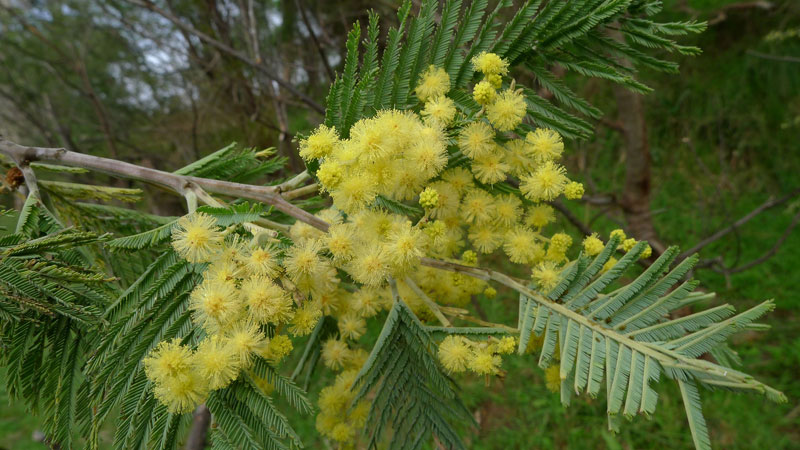
Imagine scores of black wattle trees choking our grasslands, outcompeting native plant species, reducing biodiversity and significantly impacting water resources. This isn’t a dystopian future, it’s our now.
Black wattle, Acacia mearnsii, is an invasive species that arrived in South Africa from Australasia. Today, it encroaches on natural ecosystems across the Western and Eastern Cape, KwaZulu-Natal, Mpumalanga and Gauteng. A single adult tree can absorb up to 40 litres of underground water a day, and the plants spread rapidly, often destroying grazing land for wildlife and cattle.
According to the National Environmental Management Biodiversity Act of 2004 and the Alien and Invasive Species Regulations, landowners are legally required to manage these species. But removing black wattle isn’t easy.
‘Their seeds propagate quite viciously throughout the landscape,’ explains Johann Lombard, CEO of Lalibela Wildlife Reserve, a premier conservation and travel destination in the Eastern Cape. ‘They can remain dormant for up to 40 years, waiting for the right rainfall to germinate. Fires also trigger seed activation by cracking the outer husk.’

To many landowners, black wattle is useful only as firewood. But that’s changing thanks to an important collaboration between Lalibela Wildlife Reserve and the Coega Biomass Centre (CBC), a South African company dedicated to creating clean energy solutions from invasive plant species. Black wattle cleared from the reserve is now being repurposed into sustainable biomass fuel that powers homes and industry, all while restoring the environment.
The stand of black wattle at Lalibela is so extensive that removal would take the reserve’s in-house team between two and four years. And even then, the job wouldn’t be over. Disturbed areas are prone to even faster regrowth, requiring multiple rounds of follow-up clearing. Once cut, the branches must be either air-dried or processed through a wood chipper.
‘All these processes are labour intensive and incredibly costly,’ says Lombard. That’s where CBC comes in. ‘They have the machinery, the qualified staff and the equipment to facilitate a mass-scale eradication of well-established black wattle. They cut down the plants and chip the wood on site.’
From there, the wood chips go to CBC’s facility in the Eastern Cape, where they are turned into clean-burning energy. This process not only removes invasive species from natural landscapes, but also improves biodiversity, restores indigenous vegetation and helps refill underground water sources. And CBC’s work creates jobs in rural communities and supports South Africa’s goals for a just and sustainable energy transition.
With a long-term plan to clear over 1 000 hectares of invasive plants by 2025, CBC is proving that environmental protection and clean energy production can work hand in hand.
‘We have the same end-goal at heart,’ says Lombard: ‘a renewable resource that helps eradicate invasive species, while working toward a pristine environment where native wildlife, including endangered species, can thrive.’
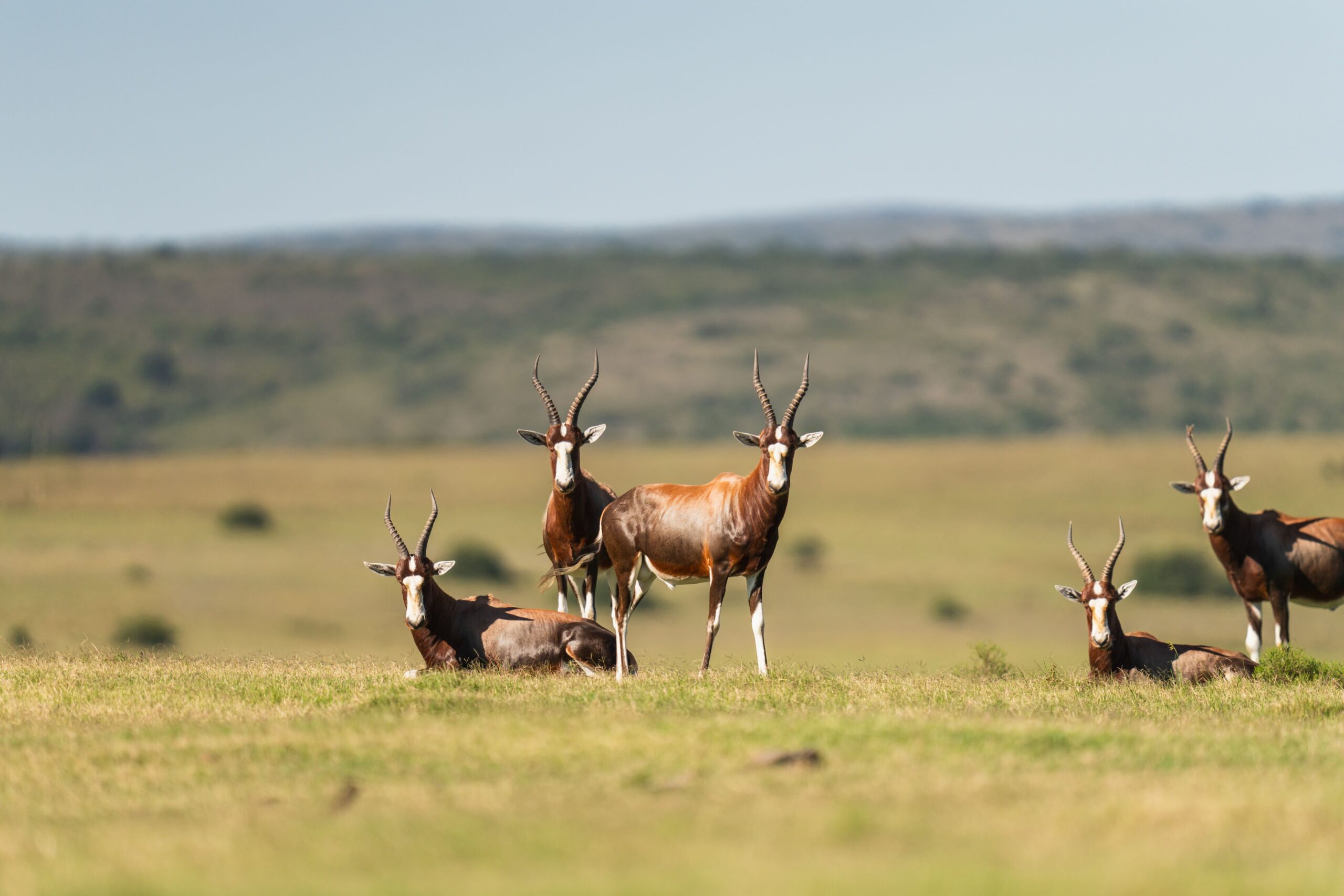
And that impact is already visible. Following the removal of black wattle in other areas of the reserve, grassland savannah has quickly taken root, underground water is more available to local river systems, streams and marshes, and biodiversity has returned, particularly for grazers like zebra, wildebeest and antelope, which rely on open grasslands. Lombard notes that Lalibela currently boasts one of the highest carrying capacities – the maximum number of animals that a specific area can support indefinitely without causing environmental degradation or resource depletion – in the Eastern Cape based on the extensive grasslands that have formed where wattle used to grow.
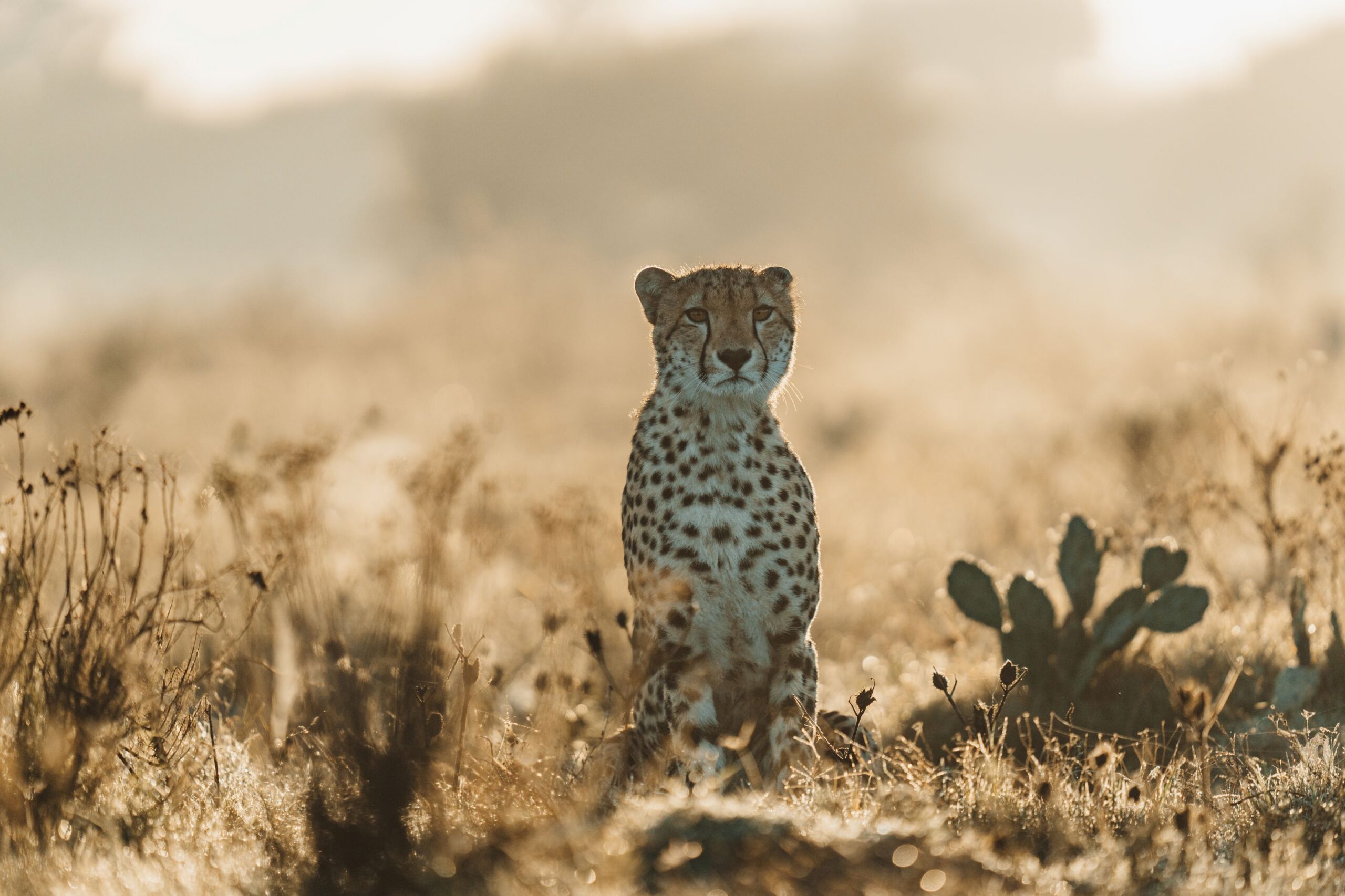
Lalibela Wildlife Reserve continues to lead conservation efforts in the region. In April 2025, a litter of six cheetah cubs was born at the reserve, a hopeful sign in the reserve’s work to protect and strengthen the species, which suffers from dangerously low genetic diversity in the wild.
For more information on Lalibela Wildlife Reserve visit https://lalibela.travel/