
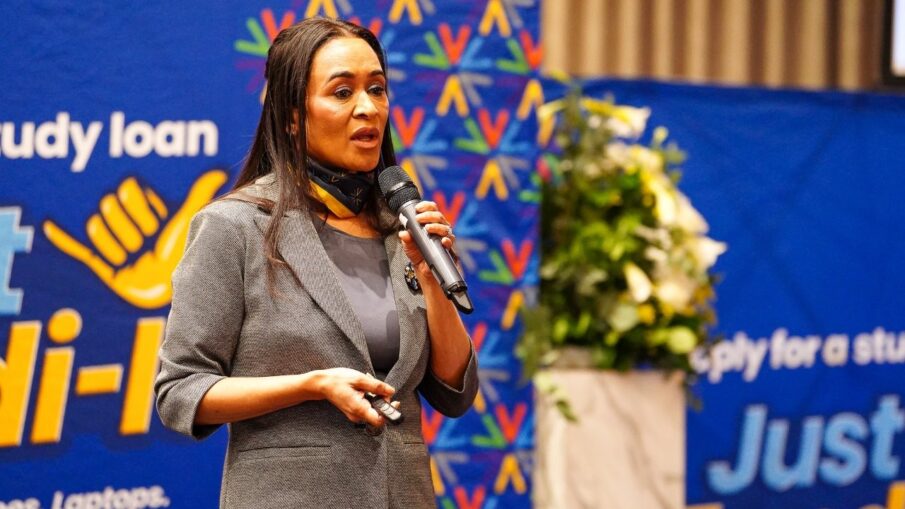
Industry leaders, academics, educators and funders recently gathered at the inaugural Fundi AI Summit sharing views and insights on ‘AI in Higher Education: Integrate or Ignore’. During the panel discussion, the conversation soon shifted to acknowledge that South Africa’s tertiary education sector can no longer afford to debate whether to engage with artificial intelligence. We need to rather be focusing on how, where, how fast – and for who.
Fundi’s recent AI Summit brought together some of South Africa’s top vice-chancellors, educators, funders and technology experts to examine how artificial intelligence is reshaping South Africa’s tertiary education sector. By the close of the panel discussion, the message was clear: the integration question has been answered. The real conversation must focus on pace, practicality and preparedness.
“This summit confirmed that the integration decision has effectively been made for us – globally and locally,” said Mala Suriah, CEO of Fundi. “The real question now is who is being equipped for this shift and who is being left behind.”
Panellists drew on examples of real-world AI deployment already being seen in higher education systems and tertiary institutions around the world. From AI-enabled admissions and predictive analytics to conversational student services and personalised learning pathways, the technology has moved decisively out of the pilot phase and into core institutional infrastructure. South Africa, the panel agreed, is grappling not with whether to adopt AI but how quickly it can catch up given the practical day-to-day realities of our students.
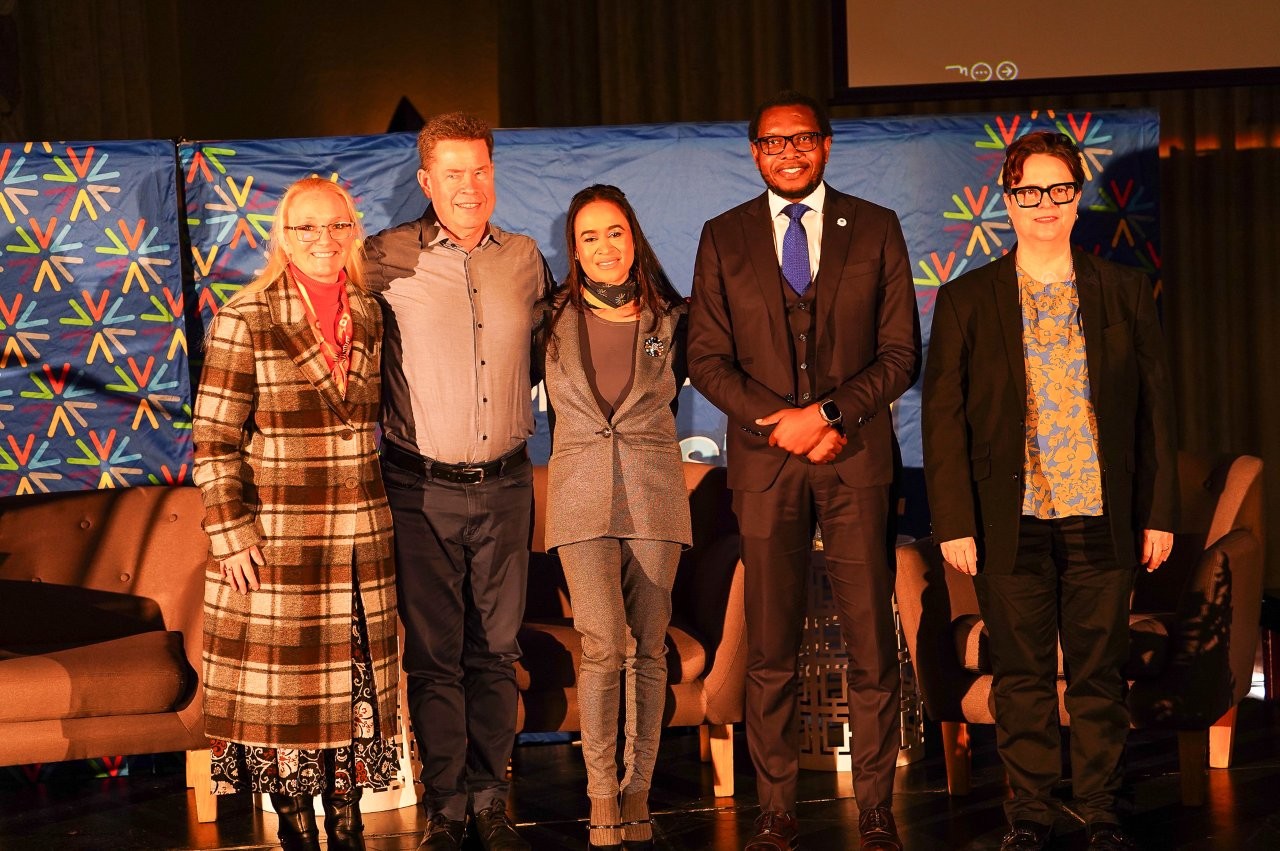
When asked about their own integration of AI, Professor Linda Meyer, the Managing Director and President of Rosebank International (formerly IIE Rosebank College), shared how AI is already replacing some roles in education administration and augmenting many others – from finance and compliance to academic support – and the pace of that shift is accelerating. “We cannot send graduates into an economy that has fundamentally changed without preparing them for it,” she explained. “AI literacy is no longer an elective skill. It is a baseline employability requirement – and our institutions, our funders and our employers must respond accordingly.”
Practical examples of integration she shared included the institution’s growing portfolio of AI initiatives, including AI-driven student support systems that triage queries, surface wellness concerns and personalise academic pathways. She also highlighted the use of AI in dropout prevention – with machine learning models now able to flag at-risk students from registration and engagement patterns weeks before traditional indicators would.
The panel was clear: practical integration is no longer aspirational. It is already operational at South African institutions willing to lead and must be fast-tracked at others that are lagging behind.
The summit closed with a clear recommendation: industry discussions must move beyond philosophical debate and into structured, future-focused implementation roadmaps that give institutions clearer practical direction. “These discussions have to happen as a matter of urgency,” noted Suriah. “AI is not waiting for us to make decisions and take action. It is becoming more proficient daily.
“In the same way, conversations about ethics, jobs and equity are essential, but they cannot stand alone. Our sector now needs implementation playbooks – on student support, on academic integrity, on compliance, on financial aid, on ethical implementation – that institutions of every size and budget can actually use. Fundi is committed to convening that next conversation and partnering across the public and private sectors to make it happen.”
Suriah added that Fundi will draw on the summit’s outcomes to shape its own AI roadmap across application assessment, customer service and dropout-prevention modelling, and to inform a broader sector-wide dialogue later in 2026.
“South Africa has over 340 000 ‘missing middle’ students whose access depends partly on how well we use these tools,” Suriah concludes. “We left this summit more convinced than ever that AI, applied thoughtfully, ethically and practically, can be one of the most significant access and throughput levers our sector has ever had. But only if we move – and only if we move together at speed.”