
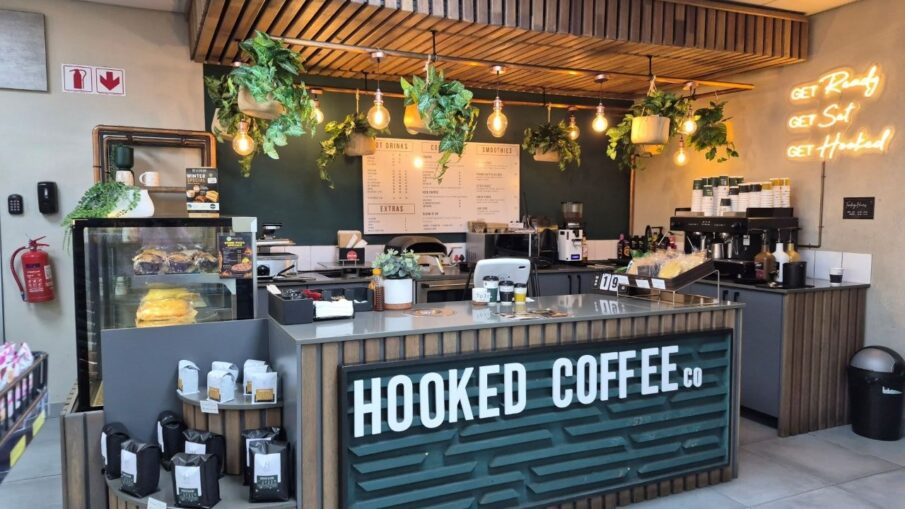
Escalating fuel price volatility and shifting consumer and shopper budgets are quietly reshaping South Africa’s retail and fuel sales landscape. According to the 2026 Forecourt Retail Report by Trade Intelligence, a Smollan company, this is prompting and enabling forecourts to evolve from simple refuelling sites into multi-functional retail destinations.
As global oil market volatility filters down to local pumps, fuel sales face continuous margin pressure. While fuel turnover still dominates site revenue, the gap between pump sales and in-store purchases is narrowing, as operators turn to non-fuel retail streams to protect site profitability.
“Forecourt stores are no longer just emergency stops for bread and milk,” explains Caroline Short, Research and Advisory Lead at Trade Intelligence. “They have matured into a credible retail format in their own right, with 57% of forecourt shoppers visiting them at least once a week.”
As such, forecourt convenience stores have become crucial growth drivers. Trade Intelligence estimates the size of the forecourt convenience channel to be R42bn in 2025. However, growth is coming under increasing pressure from all sides, including supermarkets, fast-food outlets, and quick-commerce delivery apps, which are all competing for shoppers’ convenience spend.
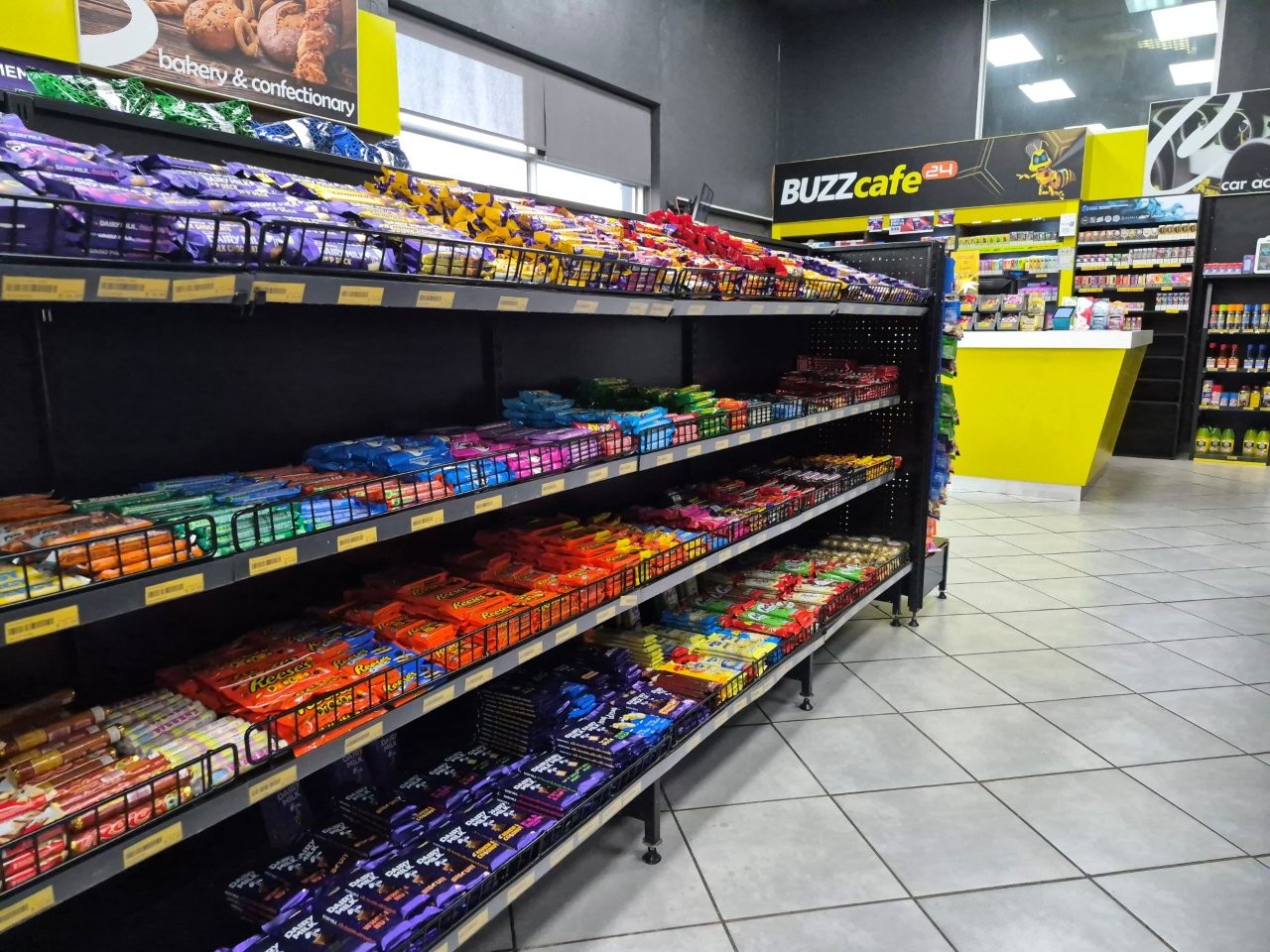
But the shopper is under pressure, too. Data from Trade Intelligence’s forecourt shopper survey reveals that rising fuel costs impact far more than transport budgets. A striking 92% of surveyed forecourt shoppers report altering their broader spending habits to adjust to financial pressures. And interestingly, shoppers are slightly more likely to be reducing non-fuel expenditure rather than just fuel spend. “This is forcing forecourt retailers to rethink their product mixes, promotional strategies, and pricing structures to capture value-conscious shoppers,” continues Short.
How to win in forecourt convenience? Trade Intelligence’s research reveals a significant opportunity in product assortment execution. While 51% of surveyed forecourt shoppers state there is virtually nothing they wouldn’t buy at a forecourt store, a noticeable gap remains between categories shoppers consider buying and what actually ends up in their baskets. “Forecourt shoppers spend very little time in-store, so ranges must be tightly curated around fast-moving, high-margin categories,” says Short. Winning in this space therefore requires moving away from traditional supermarket layouts toward high-impact impulse setups and daypart-specific meal solutions.
Looking ahead, the local sector is adopting global innovations tailored to South African dynamics. Multi-brand QSR (quick service restaurant) hubs and high-end ‘gourmet fresh’ convenience models – combining artisanal food offerings, premium coffee, and quick-service dining – are showing strong growth potential. Furthermore, category credibility in areas like takeaway and barista coffee is transforming forecourts into daily routine stops rather than passive transit points.
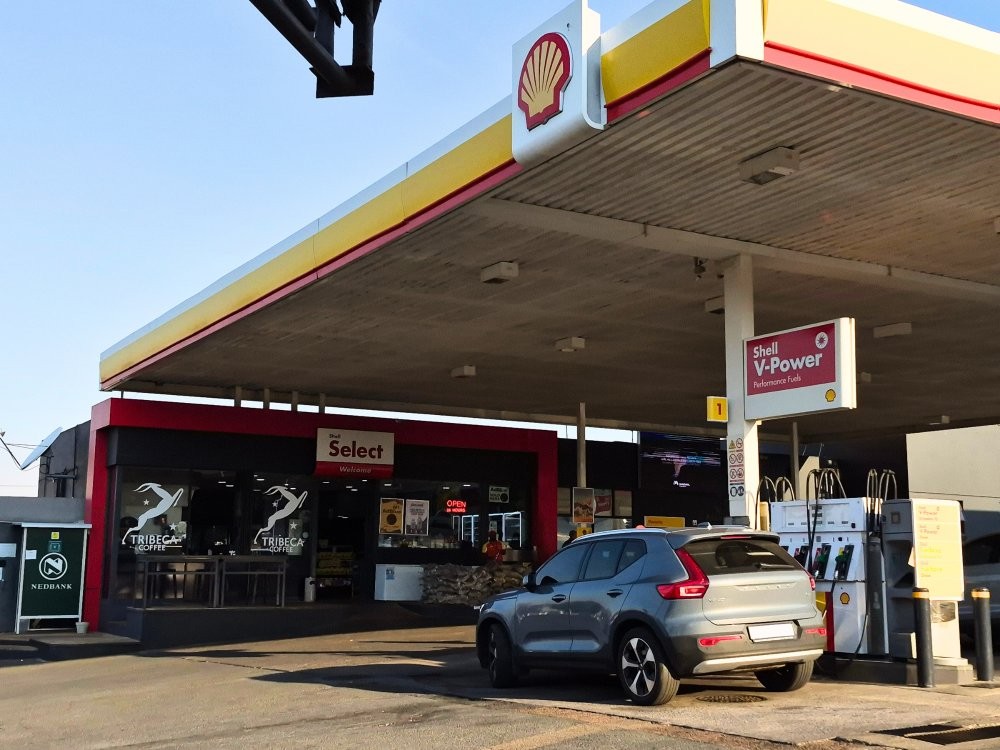
Future channel growth will depend on both macro and micro elements, e.g. high-level supplier-retailer collaboration, and tailoring product assortments to capture both quick stopovers and destination shoppers.